
CMEP Welcomes U.S.-Iran Memorandum of Understanding and Calls for Comprehensive Regional Peace
[Churches for Middle East Peace (CMEP) issued the following statement following the announcement of the signing of the Memorandum of Understanding between the US and Iran. The Christian Church (Disciples of Christ) and United Church of Christ are both members of CMEP.]

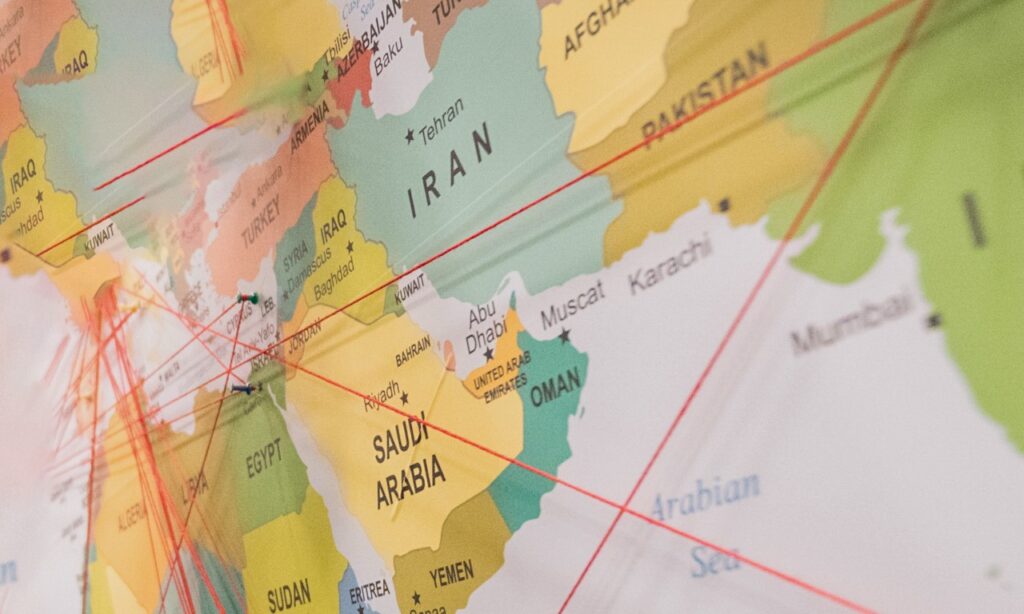
Churches for Middle East Peace (CMEP) welcomes the recently announced Memorandum of Understanding between the United States and Iran as a possible first step toward a broader and more durable peace in the Middle East.
For far too long, the peoples of the region have borne the devastating consequences of war, military escalation, displacement, and political instability. This agreement must mark the beginning of a comprehensive diplomatic process that will halt violence across the region and create the conditions necessary for a just and lasting peace.
CMEP has consistently maintained that there is no military solution to the challenges facing the Middle East. Lasting security cannot be achieved through bombs, occupations, or cycles of retaliation. Rather, stability will only come when governments and political leaders choose diplomacy, dialogue, and negotiation over violence and war. We therefore urge all parties to engage in sustained diplomatic efforts that address not only immediate security concerns but also the deeper political and humanitarian issues that continue to fuel conflict throughout the region.
We caution against viewing this agreement as a success before tangible changes occur on the ground. The people of the Middle East have witnessed too many ceasefires, agreements, and diplomatic announcements that failed to produce meaningful improvements in the lives of ordinary people. The true measure of this memorandum will be whether hostilities cease, civilian lives are protected, and all parties uphold their commitments.
In particular, CMEP calls for an end to ongoing Israeli military attacks in Lebanon and for all parties to fully cease hostilities. Any agreement aimed at regional de-escalation must be accompanied by robust mechanisms for implementation and enforcement.
This moment should also encourage renewed efforts to end violence elsewhere in the region, including in Gaza and throughout Palestine and Israel. We continue to call for the protection of civilians, the unrestricted delivery of humanitarian assistance, the release unlawfully detained individuals, and diplomatic initiatives that address the root causes of conflict and injustice.
Without accountability and sustained international engagement, violence too often resumes and civilians once again pay the highest price. As diplomatic efforts move forward, CMEP urges Members of Congress to support the Lebanon and Iran War Powers Resolutions. These measures represent important tools for reinforcing the constitutional role of Congress in decisions related to military engagement and for signaling continued support for diplomacy over further escalation. At a time when negotiations have opened a pathway away from war, Congress should act to strengthen diplomatic efforts and help prevent the United States from becoming further entangled in regional conflict.
As Christians, we believe that every person is created in the image of God and that peace is not merely the absence of war but the presence of justice, dignity, and security for all people. We pray that this agreement becomes the first step toward a comprehensive and permanent peace that ends violence across the Middle East and allows all who call the region home to live in safety, freedom, and hope.
“Blessed are the peacemakers, for they shall be called children of God.” (Matthew 5:9)
Related: The World Council of Churches (WCC) appeals for US-Iran peace agreement that translates into action for wider region. World Council of Churches (WCC) general secretary Rev. Prof. Dr Jerry Pillay welcomed the memorandum of understanding between the US and Iran, and expressed hope that a comprehensive agreement will be negotiated within the ceasefire. Click here to read the WCC statement.