
Grandmothers of Plaza de Mayo, Argentina
Abuelas de Plaza de Mayo, Argentina
The Grandmothers of the Plaza de Mayo (Abuelas de Plaza de Mayo) is an Argentine human-rights organization founded in 1977 during the military dictatorship (1976–1983). Its central mission is to locate and restore the identities of children who were forcibly disappeared or born in captivity to political prisoners during that period. These children were often taken from their parents—many of whom were later killed—and placed in the homes of military officials or families sympathetic to the regime.
During Argentina’s so-called “Dirty War,” an estimated 30,000 people were disappeared, including hundreds of pregnant women. The Abuelas emerged as a specialized group within the larger movement of the Madres de Plaza de Mayo, focusing specifically on the recovery of these stolen children and grandchildren. From the beginning, the Grandmothers combined legal efforts, advocacy, and investigative work—visiting courts, orphanages, and adoption agencies in search of clues about missing babies.
A major breakthrough came in the 1980s, when geneticists developed a scientific method known as the “Grandparenthood Index,” which allowed biological relationships to be confirmed through DNA testing, even in the absence of the parents. This innovation, achieved through collaboration between the Abuelas and international scientists such as Mary-Claire King, revolutionized human rights investigations and led to the establishment of Argentina’s National Genetic Data Bank.
Over the decades, the Abuelas have helped identify and reunite many of the grandchildren of the disappeared. As of mid-2025, 140 children had been found and reunited with their biological families. Each identification represents not only the restoration of an individual’s identity but also a symbolic victory in the broader struggle for truth and justice. Their work has profoundly shaped Argentina’s culture of memory, ensuring that the crimes of state terror are neither forgotten nor denied.
Despite these achievements, the organization faces ongoing challenges. Many of the estimated 500 children taken during the dictatorship remain unlocated, and Argentina’s shifting political landscape has created new difficulties. Under the government of President Javier Milei, the Abuelas and other human-rights groups have reported cuts to funding and public institutions, alongside the rise of historical denialism. Additionally, as the original Grandmothers age, the urgency to find the remaining grandchildren intensifies.
Still, the legacy of the Abuelas endures as a powerful example of how activism, memory, and science can work together to defend human rights. Their pursuit of justice has inspired similar movements worldwide, demonstrating that even decades later, truth can prevail over silence.
Recent developments include the identification of the 139th grandchild in early 2025—a case celebrated as “an antidote to denialism” amid Argentina’s tense political climate. Moreover, cultural works such as the television series The Eternaut have reignited public interest in the search for the stolen children, helping younger generations connect with this ongoing fight for identity and memory.
Las Abuelas de Plaza de Mayo
Las Abuelas de Plaza de Mayo son una organización argentina de derechos humanos fundada en 1977, en plena dictadura militar (1976–1983). Su misión principal es localizar y restituir la identidad de los niños que fueron secuestrados o nacieron en cautiverio como hijos de presos políticos durante ese período. Muchos de esos niños fueron arrebatados de sus padres —quienes luego fueron asesinados o desaparecidos— y entregados ilegalmente a familias vinculadas con el régimen.
Durante la llamada “Guerra Sucia”, se estima que alrededor de 30.000 personas fueron desaparecidas, entre ellas cientos de mujeres embarazadas. Las Abuelas surgieron como un grupo especializado dentro del movimiento de las Madres de Plaza de Mayo, enfocado específicamente en la recuperación de esos niños y nietos robados. Desde sus inicios, combinaron la lucha pública con un trabajo minucioso de investigación: visitaron juzgados, orfanatos y registros de adopción, buscando cualquier pista que permitiera encontrar a los menores desaparecidos.
Un avance fundamental se produjo en la década de 1980, cuando científicos genetistas desarrollaron el método del “Índice de Abuelidad”, una herramienta que permite confirmar vínculos biológicos mediante análisis de ADN, incluso en ausencia de los padres. Esta innovación —lograda en colaboración con la científica Mary-Claire King— revolucionó las investigaciones de derechos humanos y llevó a la creación del Banco Nacional de Datos Genéticos de la Argentina.
Con el paso de los años, las Abuelas lograron identificar y restituir la identidad de numerosos nietos. Hasta mediados de 2025, 139 jóvenes habían sido encontrados y reunidos con sus familias biológicas. Cada restitución no solo representa la recuperación de una historia personal, sino también una victoria simbólica en la lucha por la verdad y la justicia. Su trabajo ha dejado una huella profunda en la memoria colectiva argentina, garantizando que los crímenes del terrorismo de Estado no sean olvidados ni negados.
A pesar de sus logros, la organización enfrenta desafíos constantes. Aún se estima que hay entre 300 y 500 niños apropiados que siguen sin ser encontrados, y el contexto político actual presenta nuevos obstáculos. Bajo el gobierno del presidente Javier Milei, las Abuelas y otros organismos de derechos humanos han denunciado recortes presupuestarios, debilitamiento institucional y el resurgimiento de discursos negacionistas. Además, el envejecimiento de las fundadoras añade una urgencia emocional y moral al trabajo de búsqueda.
No obstante, el legado de las Abuelas perdura como un ejemplo inspirador de cómo la memoria, la ciencia y el activismo pueden unirse en defensa de los derechos humanos. Su lucha ha trascendido fronteras y continúa demostrando que, incluso décadas después, la verdad puede vencer al silencio.
Entre las noticias más recientes se destacan la identificación de la nieta 139, anunciada a comienzos de 2025 —un hecho celebrado como “un antídoto contra el negacionismo”—, y el renovado interés público generado por la serie El Eternauta, que ha impulsado a nuevas generaciones a involucrarse en la búsqueda de los niños robados durante la dictadura.
Support this Ministry
To make a gift for this ministry online or by check use the online donation page.
- 100% of your gift will be directed to Grandmothers of Plaza de Mayo, Argentina
- You will receive updates on the work in this area as they become available
- Share in the vision of God’s abundant life for all people
Related Content
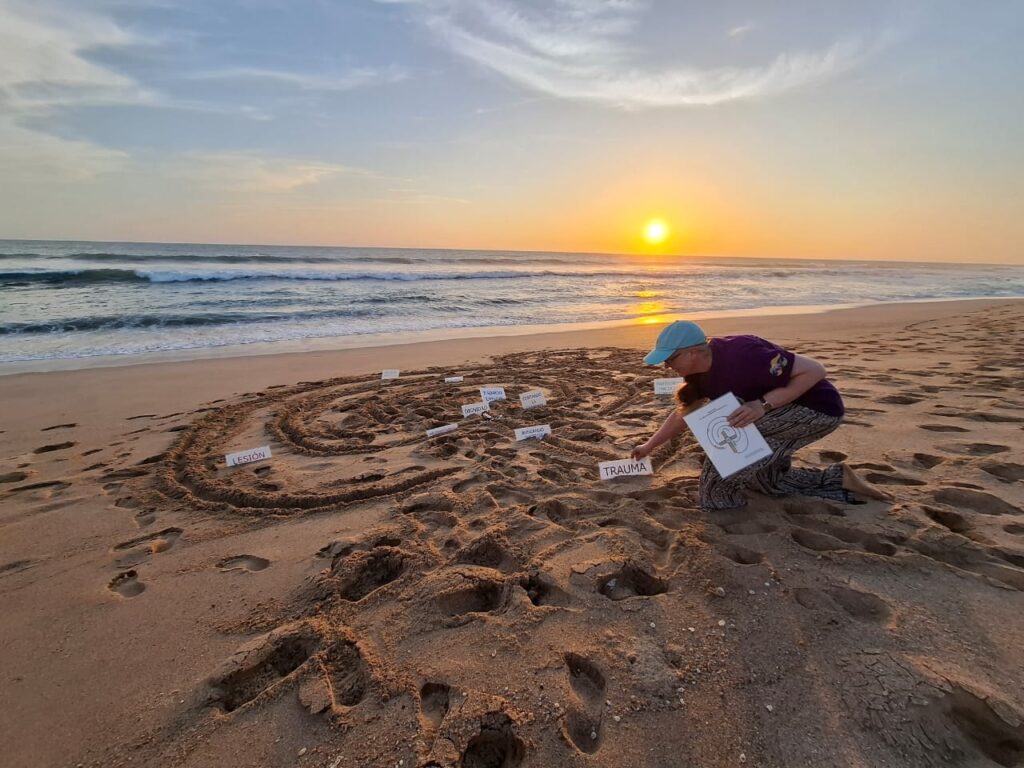
Hope in the Midst of Trauma
In the midst of violence, grief, and uncertainty, hope can take root through compassion, faith,...
Read More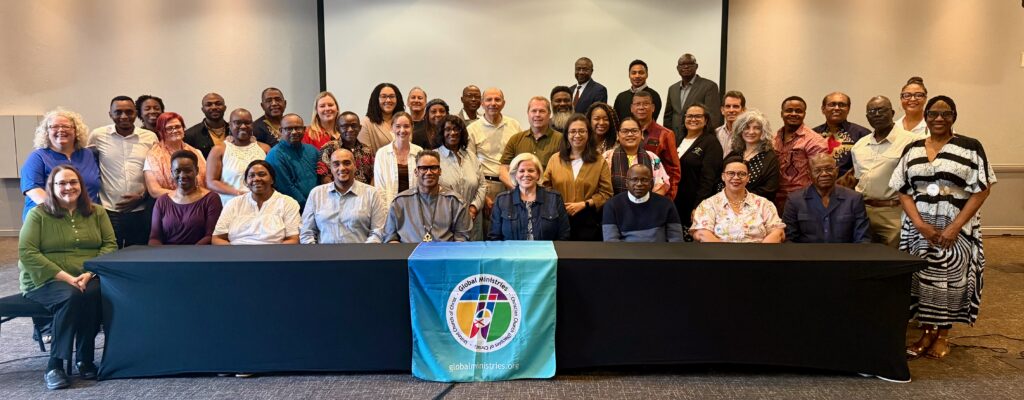
Day 4: Global Ministries Gathering Concludes with Call to Turn Conversations on Belonging into Action
The final day of the Global Ministries Cross-Regional Gathering, “Identity and Belonging:...
Read More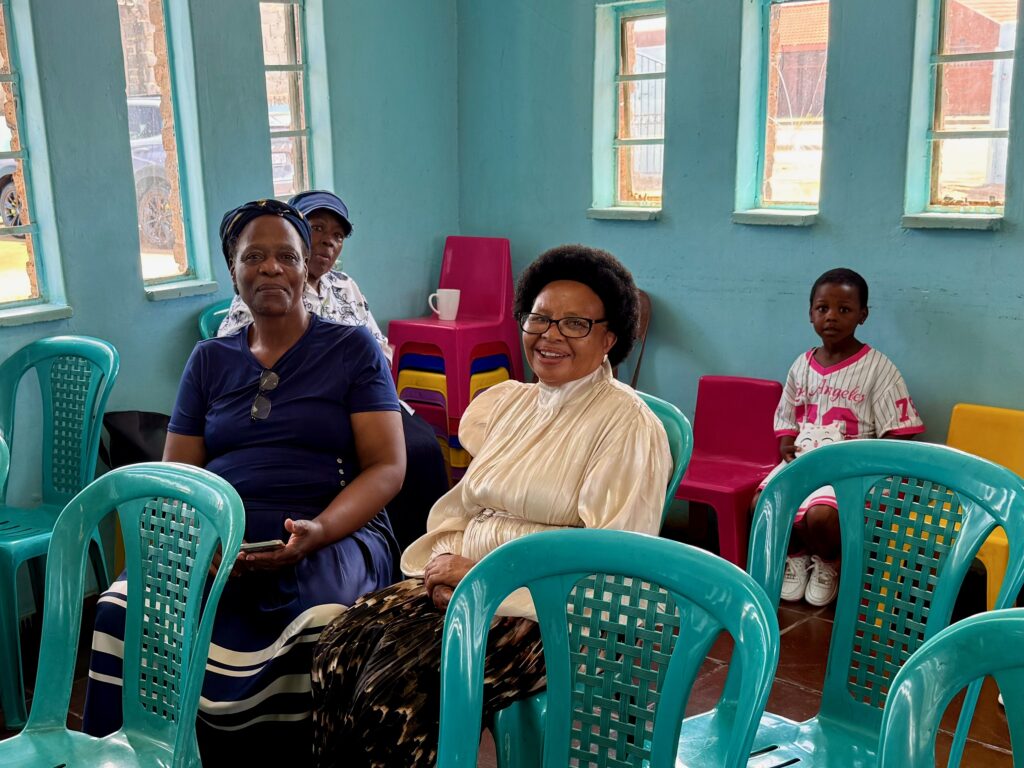
Day 3 of Global Ministries Gathering: Voices of Faith, Stories of Belonging
As part of the Global Ministries Cross-Regional Gathering in Johannesburg, South Africa,...
Read More