
Not Just a Number
“The violence took our home, but not my dream.”
Yvenson is only nine years old, but he already knows the sound of gunfire too well. The night the gangs came to his neighborhood in Kafou-Féy, he was lying on a thin mattress beside his mother, whispering his school lessons to himself. In the morning, he was supposed to present his answer to the class. He had practiced all day.
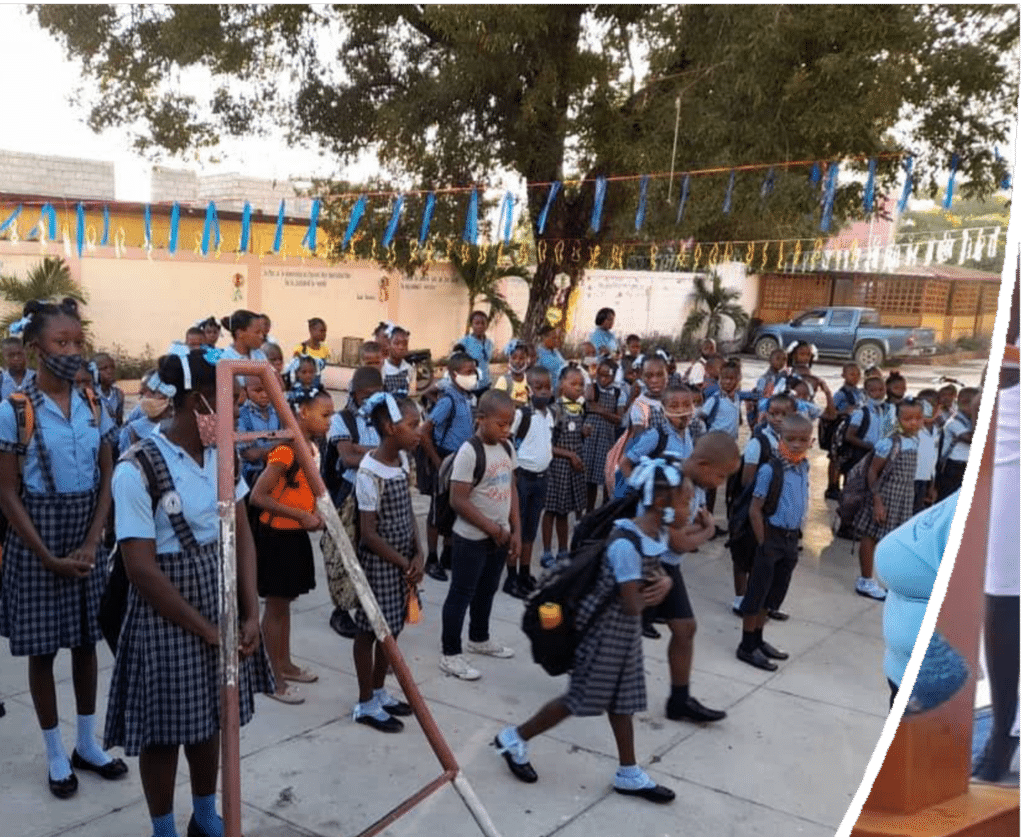
Instead, his world exploded in terror. Armed men stormed the streets, burning homes and looting anything they could find. His family ran for their lives, escaping with nothing but what they could carry. Their home was torched, and with it, the small wooden schoolhouse where Yvenson was learning to read and dream. That school was part of the House of Hope, a program run by the Ecumenical Foundation for Peace and Justice (FOPJ).
Yvenson’s story is heartbreaking—but it is not uncommon.
A Nation in Crisis
Haiti has long suffered under the weight of poverty, political instability, and natural disasters—but the last five years have pushed the country into an entirely new kind of crisis. The collapse of government institutions, widespread corruption, and the proliferation of heavily armed gangs have turned entire neighborhoods into war zones. In cities like Port-au-Prince and communities like Kafou-Féy, the rule of law has been replaced by fear.
Gang violence has displaced over 300,000 people. Schools have closed. Hospitals have been overrun or shut down. And children are being targeted like never before—recruited by gangs, raped, or killed in the crossfire.
According to UNICEF, more than 1.5 million children did not attend school during the 2023–2024 school year. Another 680,000 are without homes. Some 3 million children—two out of every three—are reliant on food aid, with 140,000 at risk of starving to death. This is not just a crisis. It’s a humanitarian catastrophe.
Yet in the middle of this darkness, there are still signs of light.
One Voice, One Life, One Mission
Yvenson, now living in a crowded shelter with dozens of other families, often clutches a pencil like it’s a treasure. “I miss my teacher,” he says softly. “I want to be a doctor so I can help when people get hurt like my uncle.”
It was FOPJ that found him. After their school and vocational center were burned, their team didn’t stop working—they went looking. Partnering with community leaders and shelters, they tracked displaced children, distributed food kits, medical supplies, and school materials, and provided trauma support to children like Yvenson. But perhaps most importantly, they brought the message that God has not forgotten them.
As FOPJ says, “The life God has given must be respected in any circumstance.”
Through its partnership with Global Ministries, and thanks to the generosity of churches and individuals who give to the One Great Hour of Sharing, FOPJ has continued to reach children even in the most dangerous, fragile places. This isn’t just about giving aid—it’s about restoring dignity, hope, and the image of God in each child.
Global Solidarity, Local Change
When churches give to One Great Hour of Sharing, they become part of a mission that’s bigger than any one offering or program. That mission says: children like Yvenson are not numbers. They are not statistics. They are not casualties of a forgotten conflict.
They are the church’s children, part of the body of Christ.
Through One Great Hour of Sharing, Global Ministries is able to:
- Provide emergency support to partners like FOPJ after attacks or disasters.
- Fund education programs, school supplies, and trauma healing.
- Support vocational training so youth have alternatives to gang life.
- Ensure displaced families receive food, medicine, and spiritual care.
Even after FOPJ’s buildings were destroyed, its mission continued—because this work isn’t held up by walls, but by faith. The partnership with Global Ministries, powered by OGHS, has helped FOPJ serve over 150 youth per year in vocational training and hundreds of children in education and outreach.
Tomorrow Begins with Us
“If we do not act now,” FOPJ warns, “tomorrow will be too late. In the current situation, tomorrow is today.”
Yvenson’s dream didn’t burn with his school. With a new backpack, a notebook, and a glimmer of safety, he’s back to studying—even in a shelter. He still whispers his lessons to himself before bed. And when he grows up, he still wants to become a doctor.
Because of the church’s faithful giving, Yvenson’s future isn’t lost—it’s still unfolding.
So no, he is not just a number.
He is a child of God. And he is waiting for us to believe that his life is worth fighting for.
Related News
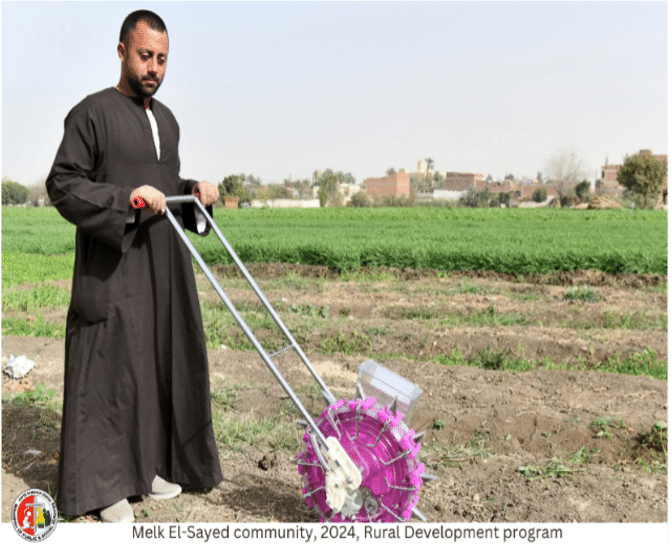
Innovation in the Fields
In the village of Malek El-Sayed in Egypt, farming has long been a way of life passed down from...
Read More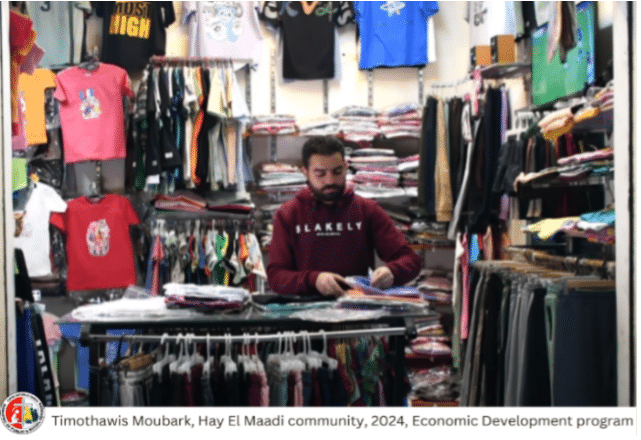
Timothawis Builds a Future Through Entrepreneurship
In Hay El Maadi, a community in Egypt’s Qena Governorate, many young people face an uncertain...
Read More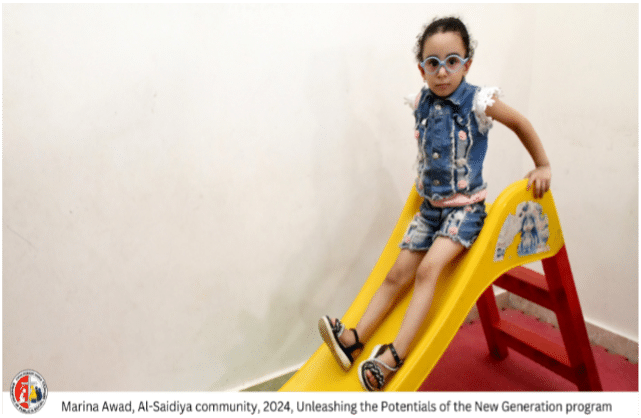
Marina’s Path to Health
In the Al-Saidiya community of Egypt’s Al-Sharqiye Governorate, Marina Awad’s family watched...
Read More