
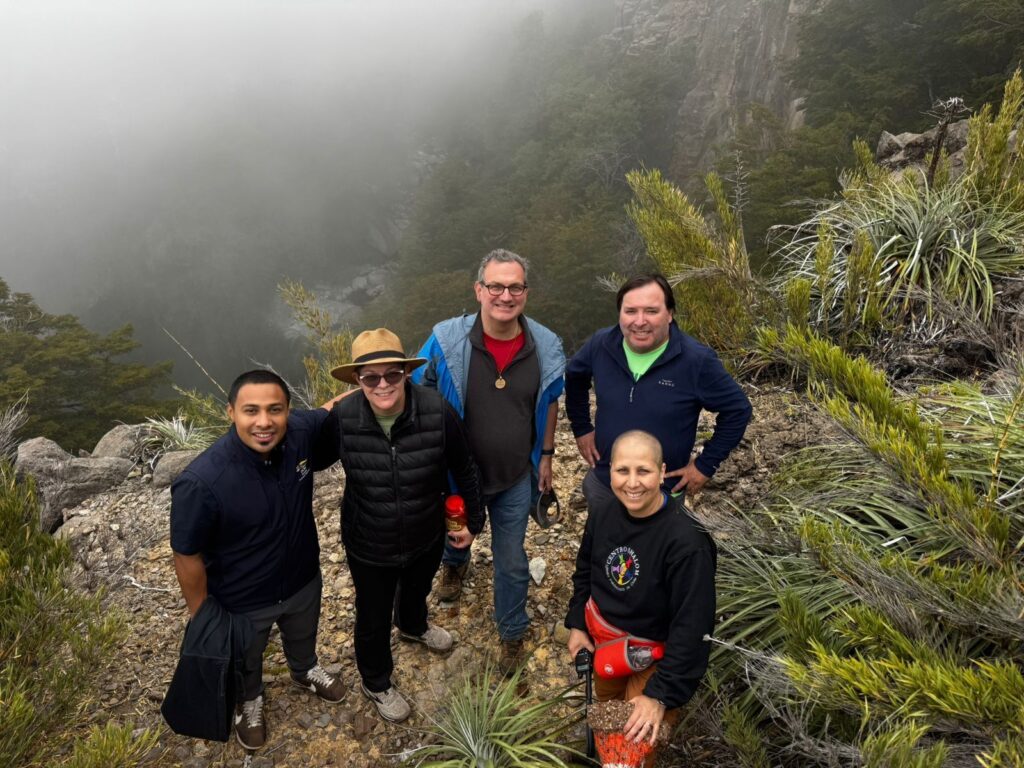
Faith, Migration, and Human Rights: Global Ministries Partners Raise Urgent Concerns Across Latin America and the Caribbean
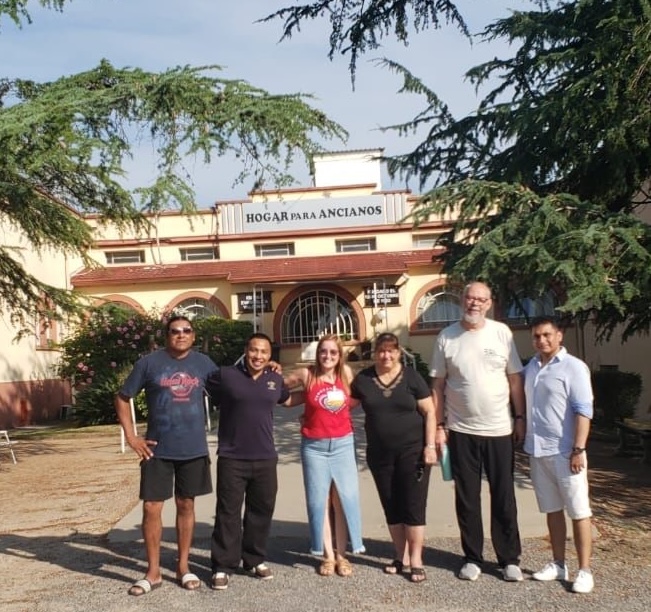
A month-long visit across Latin America and the Caribbean highlighted urgent concerns over migration, human rights, and church accompaniment while also celebrating decades of ecumenical partnership supported by Global Ministries.
From late January through early March, David Giron, Global Ministries Global Relations Minister for Latin America and the Caribbean, met with partners in Argentina, Uruguay, Chile, Puerto Rico, and the Dominican Republic, including churches, refugee advocacy organizations, theological networks, and community ministries serving migrants and vulnerable youth.
Among the most pressing issues raised during the trip were the deteriorating rights of migrants and refugees in Argentina. Church and advocacy partners, including CAREF (Comisión Argentina para Personas Refugiadas y Migrantes), described sweeping policy reversals over the past two years that have affected migrants’ access to citizenship, employment, education, and healthcare. Most recently, leaders expressed alarm over efforts to end birthright citizenship protections for children born in the country.
Meetings with Asociación Civil de Familiares Detenidos (ACIFAD) also brought attention to harsh prison conditions and the burdens faced by women supporting incarcerated family members. Advocates described overcrowded and unsanitary prisons, inconsistent visitation access, and long waits endured by families. The internationally recognized Netflix film Mujer de la Fila (Women in the Line) has helped bring visibility to the experiences of these women.
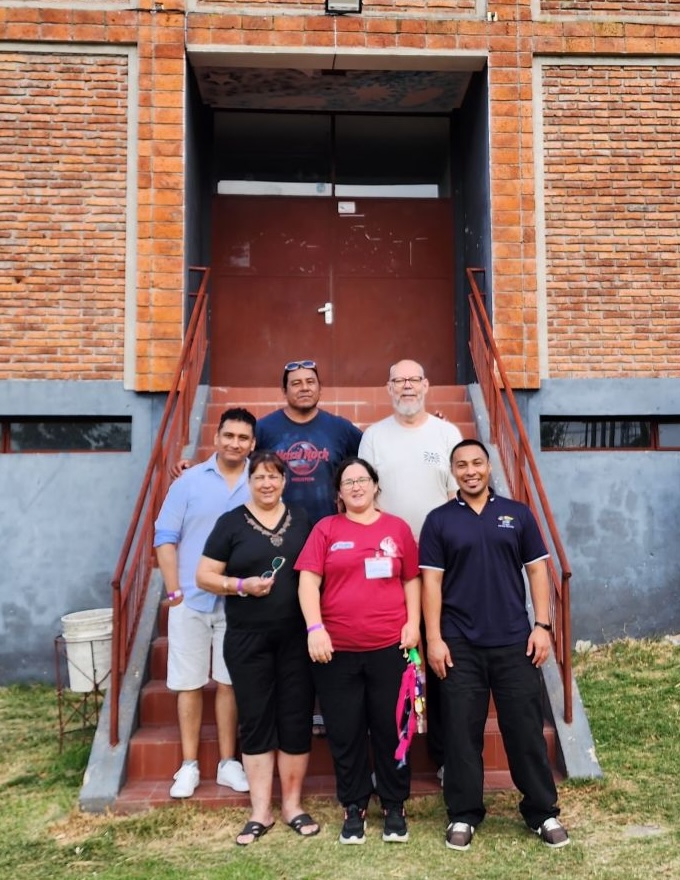
Despite the challenges, partners in Uruguay and Argentina also celebrated enduring ministry partnerships. Leaders of the Iglesia Evangélica Valdense del Rio de la Plata (IEVRP) emphasized that support from Global Ministries has enabled pastors to focus on community outreach, including elder care and youth programming.
The visit to Argentina also revealed significant needs for pastoral accompaniment among church partners. The national pastor of the Iglesia Evangélica Discípulos de Cristo in Argentina described his experiences as the denomination’s only Disciples pastor there. The church is part of the Boards of five other non-profit organizations, along with other ecumenical partners. This has placed a strain on time and resources. Church leaders said the visit from Global Ministries was deeply encouraging, noting it had been years since a representative last visited the country.
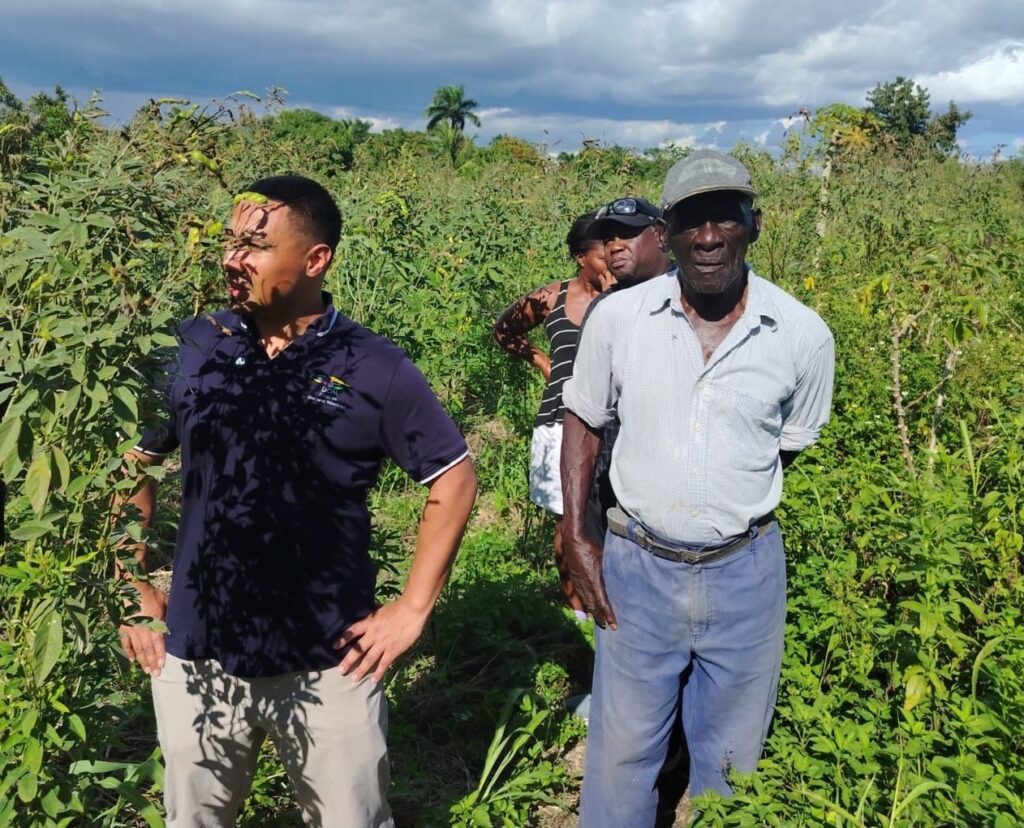
In the Dominican Republic, partners raised ongoing concerns over the treatment of Dominicans of Haitian descent. Leaders described how a 2013 Constitutional Tribunal ruling stripped citizenship from generations of Dominican-born residents with Haitian ancestry, leaving many effectively stateless. Workers in sugarcane communities shared stories of hiding from migration patrols and living without legal protections or access to basic rights.
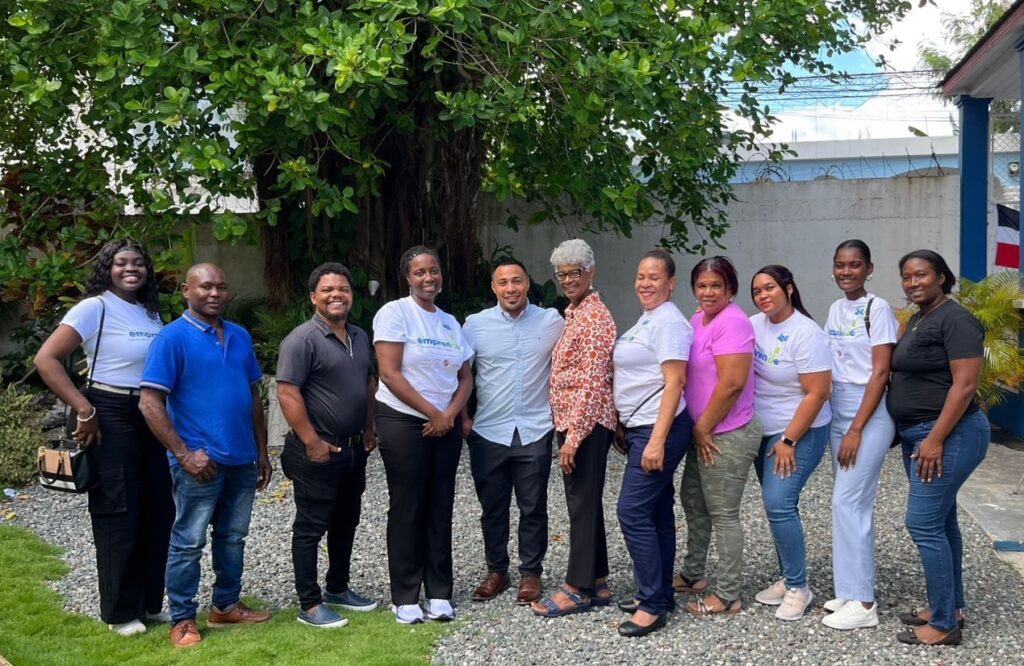
Caminante, serving Haitian youth in the tourist community of Boca Chica, Dominican Republic, reported increasing vulnerability among children and adolescents facing deportation, exploitation, and gender-based violence. Staff members described youth making dangerous journeys back to the Dominican Republic after being deported to Haiti in order to survive.
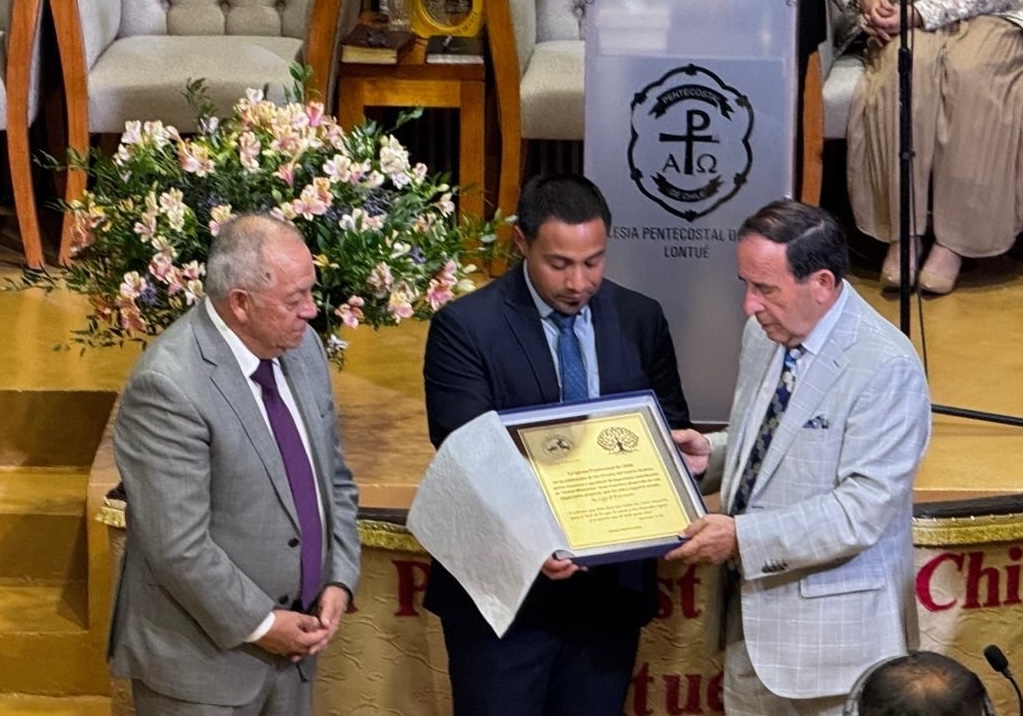
In Chile, conversations focused on rebuilding relationships with the Iglesia Pentecostal de Chile and the Centro Shalom. Leaders expressed a strong interest in renewing exchanges of pastors and youth between Chile and the United States, as well as in welcoming future People-to-People groups. The Shalom Center in Chile honored Global Ministries for more than 25 years of partnership, presenting a commemorative plaque recognizing its role in the center’s founding and ongoing ministry of healing and restoration. The trip also marked the beginning of a new media initiative, with interviews and stories being recorded for a Latin America and Caribbean-focused podcast project. Organizers hope to share both long- and short-form content across platforms to help bring partner voices and regional issues to broader audiences.