
Pray with Palestine, September 13, 2026
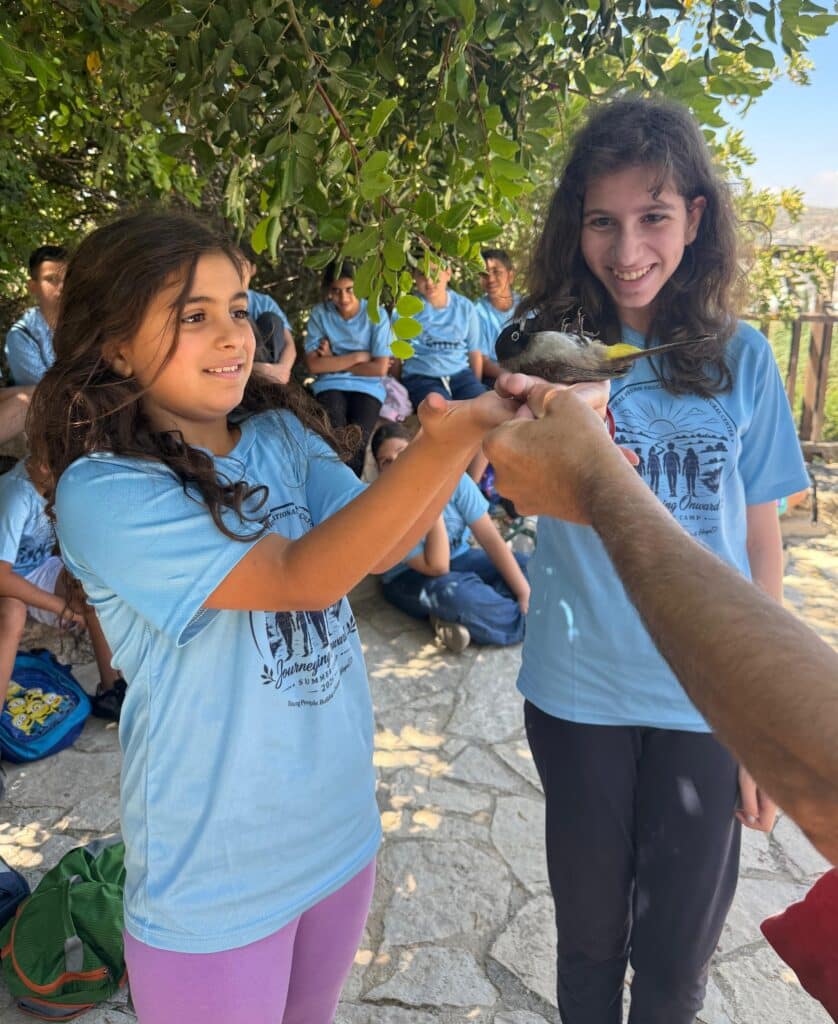
Lectionary Selection: Matthew 18:21-35
Prayers for Palestine
Lord of life, breathe your life into our dark days.
Lord of peace, guide our words and actions to become instruments of your true and lasting peace.
Lord of justice, teach us your righteousness and lead us in your truth.
Lord of mercy, look upon us with compassion, and shape our hearts after your merciful heart.
Lord, we pray for our land, Palestine. A wounded land, fragmented by walls and checkpoints, scarred by violence, and burdened by fear and hatred. Have mercy on us.
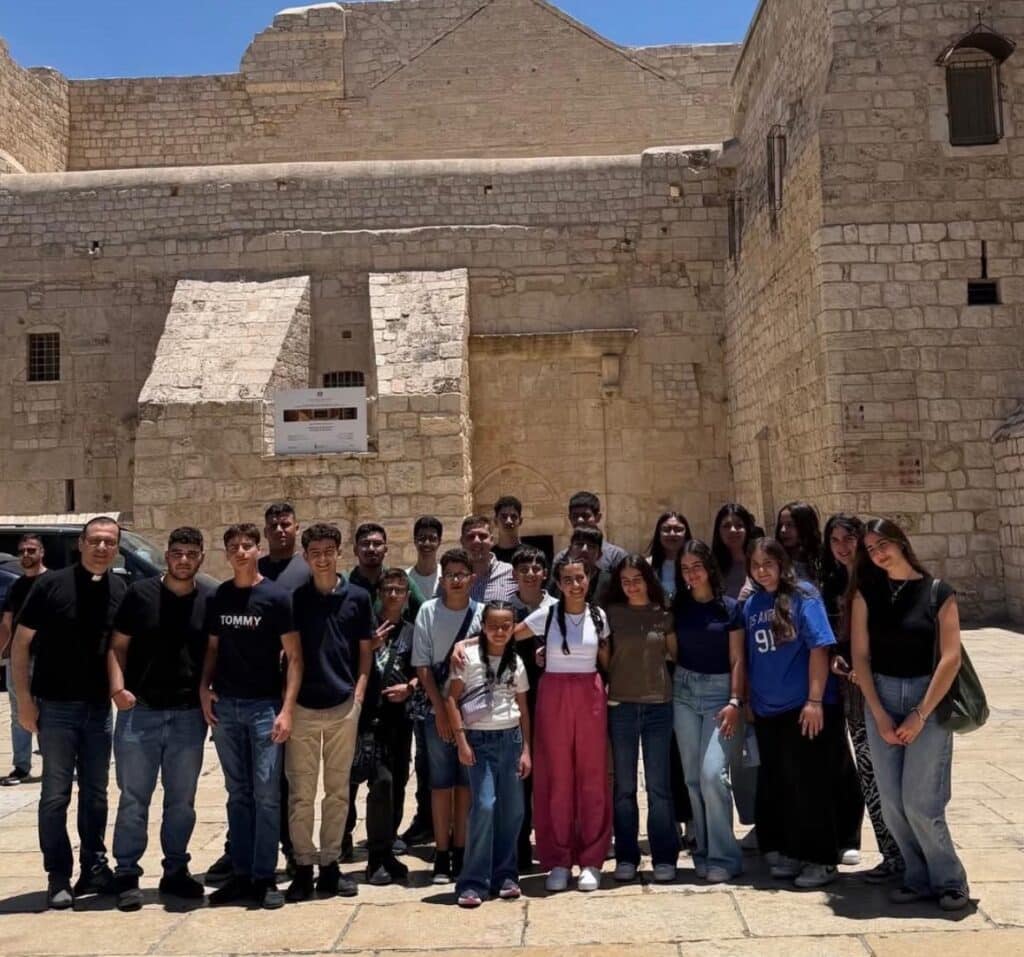
With the prophet Isaiah we cry: “Oh, that you would tear open the heavens and come down.” Come down, O Lord, and establish your justice, your peace, and your steadfast love among us. How long, O Lord? How long shall our cries seem unanswered? How long shall our people endure violence, loss, and dehumanization? Come, Lord, and restore your image in us and in those we call our enemies.
We trust in you, Lord, yet we are weary. We know you hear us, yet our pain has become heavy to bear.
Come, Lord, empower us, though weary, to run for justice and peace. Come, Lord, touch our weeping souls to see the light of your righteousness. Lead us from the shadow of death into the joy of the resurrection and the fullness of life; through Jesus Christ our Lord. Amen.
Mission Moment from Palestine
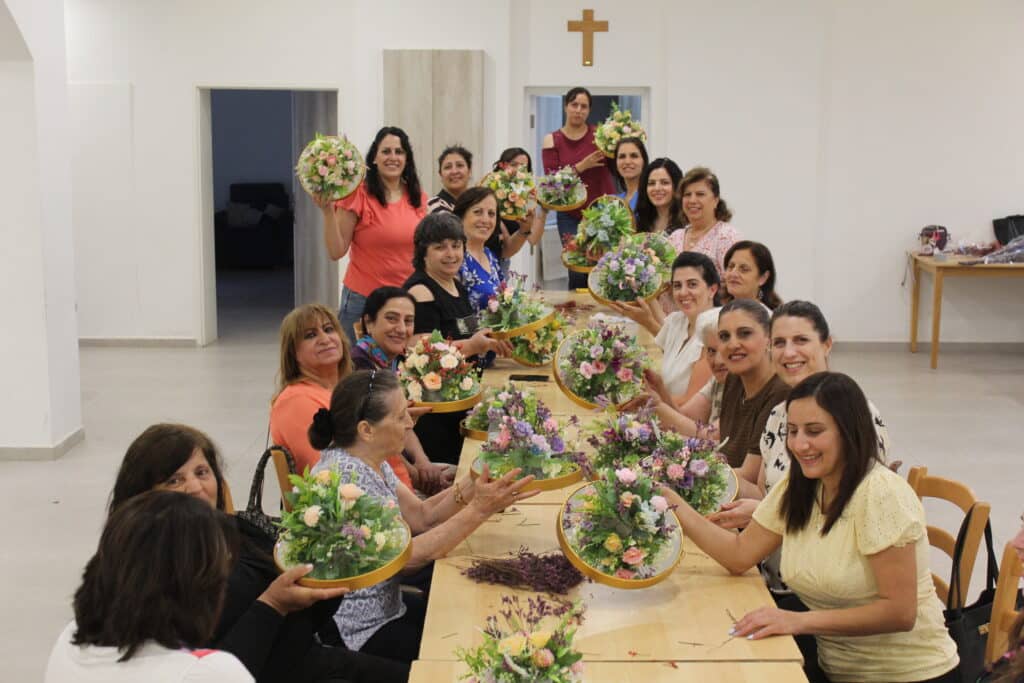
“Love gives naught but itself and takes naught but from itself.” (Jibran Kahlil Gibran)
What does it mean to forgive? What does it mean to love? These questions weigh heavily on many hearts, especially in our Palestinian church.
When Peter asks Jesus how many times he should forgive, Jesus answers, “seventy times seven.” For many among us, this is no longer a theoretical question. We have gone far beyond seventy times seven. Our people are weary and burdened. They long to see justice.
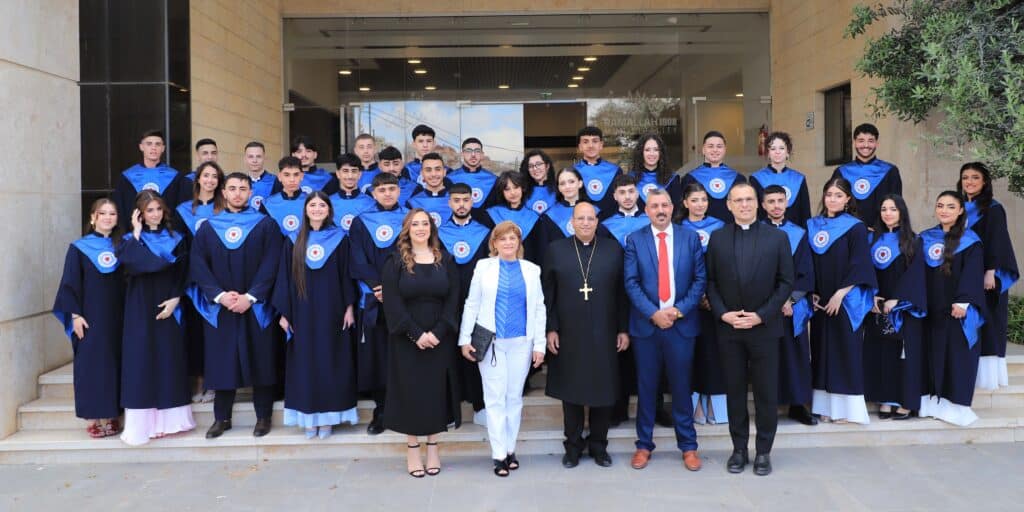
Can forgiveness and justice belong to the same circle of faith?
The Gospel answers with a resounding yes. Forgiveness does not mean weakness, silence, or abandoning the demand for justice. Nor does it mean escaping the consequences of wrongdoing. Forgiveness means acknowledging injustice, resisting it, and refusing to let our struggle for justice strip either the oppressed or the oppressor of their God-given humanity.
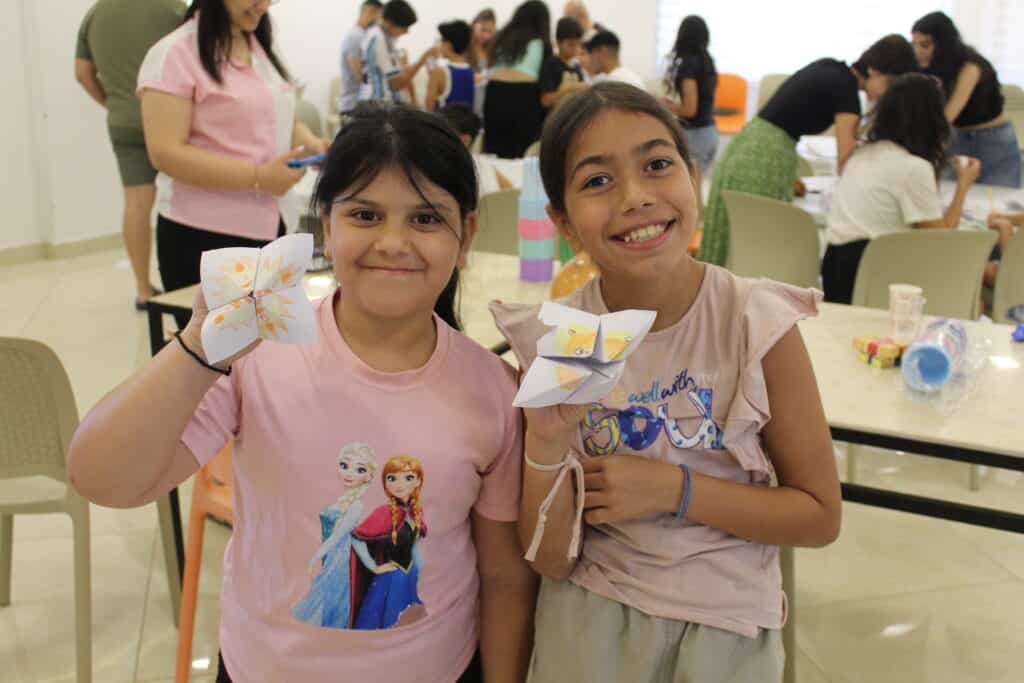
The righteousness of God does not allow evil to continue prevailing in our world. God’s justice will not accept that humanity remains imprisoned by those who are themselves captive to the will of evil. Therefore, even amid occupation, apartheid, violence, and genocide, Christ strengthens us to work for justice, peace, and forgiveness with a love that refuses both hatred and indifference. For in Christ, justice and mercy do not compete; they embrace, restoring life where evil has sought to destroy it. This is the message we continue to share with our people through the ministry of the Evangelical Lutheran Church in Jordan and the Holy Land (ELCJHL). In our congregations, our schools, through our Diaconal Ministry, through our work for gender and environmental justice, we seek to carry out this mission of justice while following Christ’s path of life in the face of death. As one body of Christ, our partners around the world join us on this path.
Written by Bishop Dr. Imad Haddad, Evangelical Lutheran Church in Jordan and the Holy Land
Mission Partners in Palestine/Israel
- Department of Service to Palestinian Refugees
- YWCA of Palestine (Palestine)
- Tantur Ecumenical Institute
- Sabeel Ecumenical Liberation Theology Center (Jerusalem)
- Rawdat el-Zuhur (Palestine)
- Kairos Palestine
- Friends Meeting in Ramallah
- Evangelical Lutheran Church in Jordan and the Holy Land
- Episcopal Diocese of Jerusalem
- Ecumenical Accompaniment Programme in Palestine and Israel (EAPPI)
- East Jerusalem YMCA (Palestine)
- Diyar Consortium
- Christmas Lutheran Church in Bethlehem
- B’Tselem
Make a gift to support the work of the Evangelical Lutheran Church in Jordan and the Holy Land